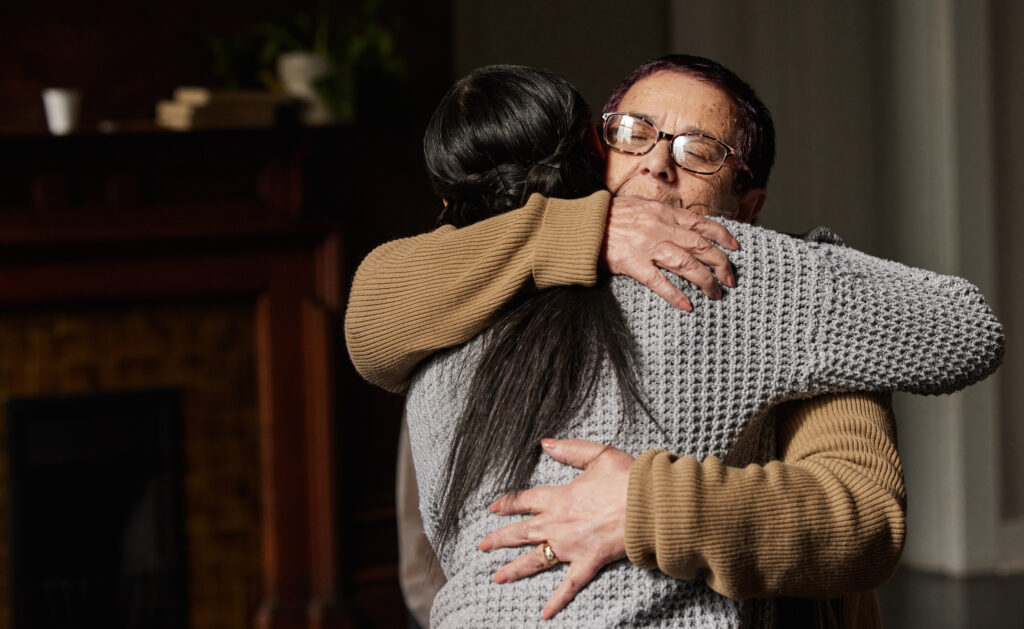
Bringing Humanity Into the Workplace: Why It Matters in Deathcare




In the modern workplace, the push for productivity, efficiency, and performance often leaves little room for vulnerability, empathy, or emotional connection. But something critical is lost when we leave our full selves at the door, especially in professions built around compassion, like death care.
Bringing humanity back into the workplace means prioritizing connection, empathy, and the well-being of people, not just processes. This shift isn’t just a feel-good trend. It’s a mental health imperative and in deathcare, it’s a professional responsibility.
Deathcare professionals are entrusted with supporting people through one of life’s most vulnerable and emotionally complex experiences. We work in sacred, high-emotion spaces that require presence, compassion, and resilience.
Yet, in trying to maintain professionalism, many of us have learned to suppress our own emotional needs. This emotional distancing may feel necessary, but over time it leads to compassion fatigue, burnout, and isolation. Seeing people as people, ourselves included, builds trust, connection, and a stronger, healthier workplace.
The truth is: when you bring more of your humanity to work, you don’t just help grieving families, you help yourself stay grounded, mentally healthy, and fulfilled.
5 Ways to Bring Humanity Into the Workplace
Here are five meaningful, practical ways to center humanity in your everyday work:
1. Lead With Empathy, Not Just Efficiency
While it’s important to keep operations running smoothly, try to prioritize emotional cues alongside logistics. Take a few extra seconds to really listen to a family’s story or pause to acknowledge a colleague’s stress. Small gestures of empathy like eye contact, validating someone’s emotions, a kind tone go a long way in helping people feel seen.
“Empathy builds emotional bridges that transform not just individual interactions, but entire team dynamics.”
2. Create Emotional Safety Among Staff
Deathcare staff need just as much care as the families they serve. Build opportunities for emotional check-ins after a difficult service, a tragic loss, or a long week. Model vulnerability. Let others know it’s okay to say, “That was hard,” or “I need a break.” Cultivating this safety supports mental health and retention.
3. Honor Your Own Grief and Emotional Limits
You are allowed to be human. If a service touches a nerve or a family reminds you of your own loss, acknowledge it. Suppressing emotion isn’t a badge of honor—it’s a warning sign. Build in practices that help you process like journaling, peer discussions, therapy, or even brief quiet time before or after services.
4. Personalize the Care You Provide
Humanity in death care also means treating every family, and every death, as unique. Ask questions that go beyond logistics. Invite personal stories, rituals, and details. Doing this not only comforts the grieving but reminds you why this work matters.
5. Let Trusted Support Teams Help You Stay Human
You don’t have to do it alone. At Directors’ Choice, a team of specially trained receptionists serves as the professional, compassionate front line for funeral homes and deathcare organizations. By partnering with a support team that understands the sensitivity of your work, you can focus more on being fully present with families knowing every call is being answered with care, calm, and dignity. It’s one of the most human things you can do: ask for help so you can better serve others.
Protecting Your Mental Health
The emotional demands of deathcare are real. We can’t offer compassion to others if we don’t extend it to ourselves. Taking care of your mental health isn’t a luxury, it’s part of the work.
If you or someone you know is struggling with stress, grief, or emotional burnout, help is always available.
📞 Contact the Suicide & Crisis Lifeline by dialing 988
You’ll be connected with trained counselors who are there to listen, support, and help you find resources in your area. Confidential. Free. 24/7.
More at: 988lifeline.org
Bringing humanity into death care isn’t soft. It’s not unprofessional. It’s powerful. It changes how families heal, how teams work, and how we care for ourselves.
So, let’s choose presence over perfection. Let’s make space for emotion, connection, and authenticity. And most importantly, let’s look out for the hearts behind the work, starting with our own.
For more content like this, make sure to check our blog.
For more content like this, make sure to check our blog.